Andrew Paterson
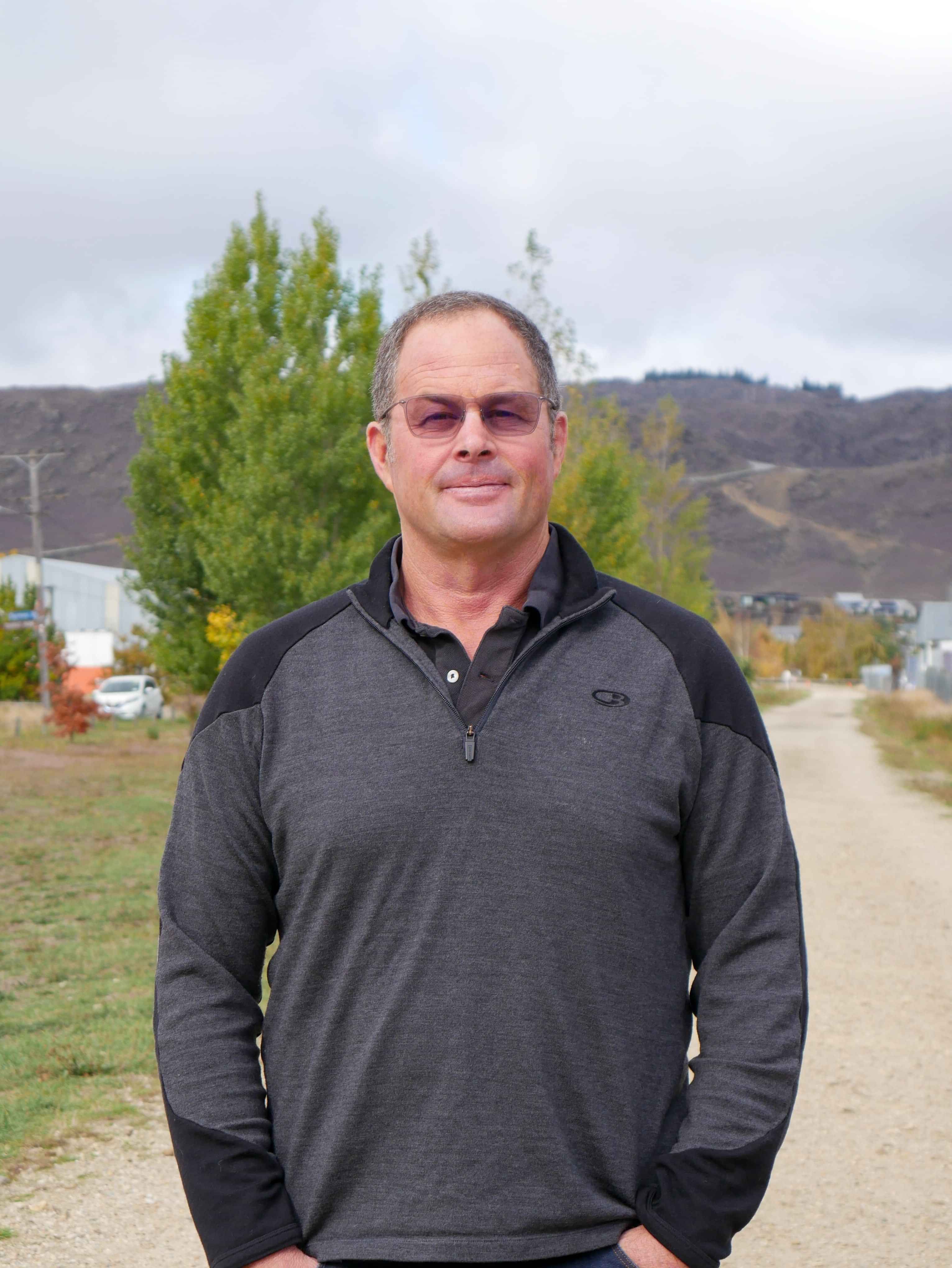
Andrew Paterson is the owner of Matakanui Station, located near Ōmakau, a large sheep and beef property with a strong focus on producing high-quality wool and livestock while maintaining the natural environment. Andrew has invested significantly in sustainable farming practices including wetland restoration, fencing, water-quality monitoring, and improved pasture and irrigation systems.
In 2025, Matakanui Station was named the Otago Regional Supreme Winner at the Ballance Farm Environment Awards, highlighting the farm’s balance of productivity, environmental care, and forward-thinking management.
Andrew brings this same practical, collaborative approach to his role as Chair of the Manuherekia Catchment Group, where he works alongside farmers, community members, and agencies to support sustainable land and water management across the catchment. Passionate about the future of the Manuherekia River and its communities, Andrew believes that collective action and local knowledge are key to ensuring the catchment remains productive, resilient, and healthy for generations to come.
Phil Smith
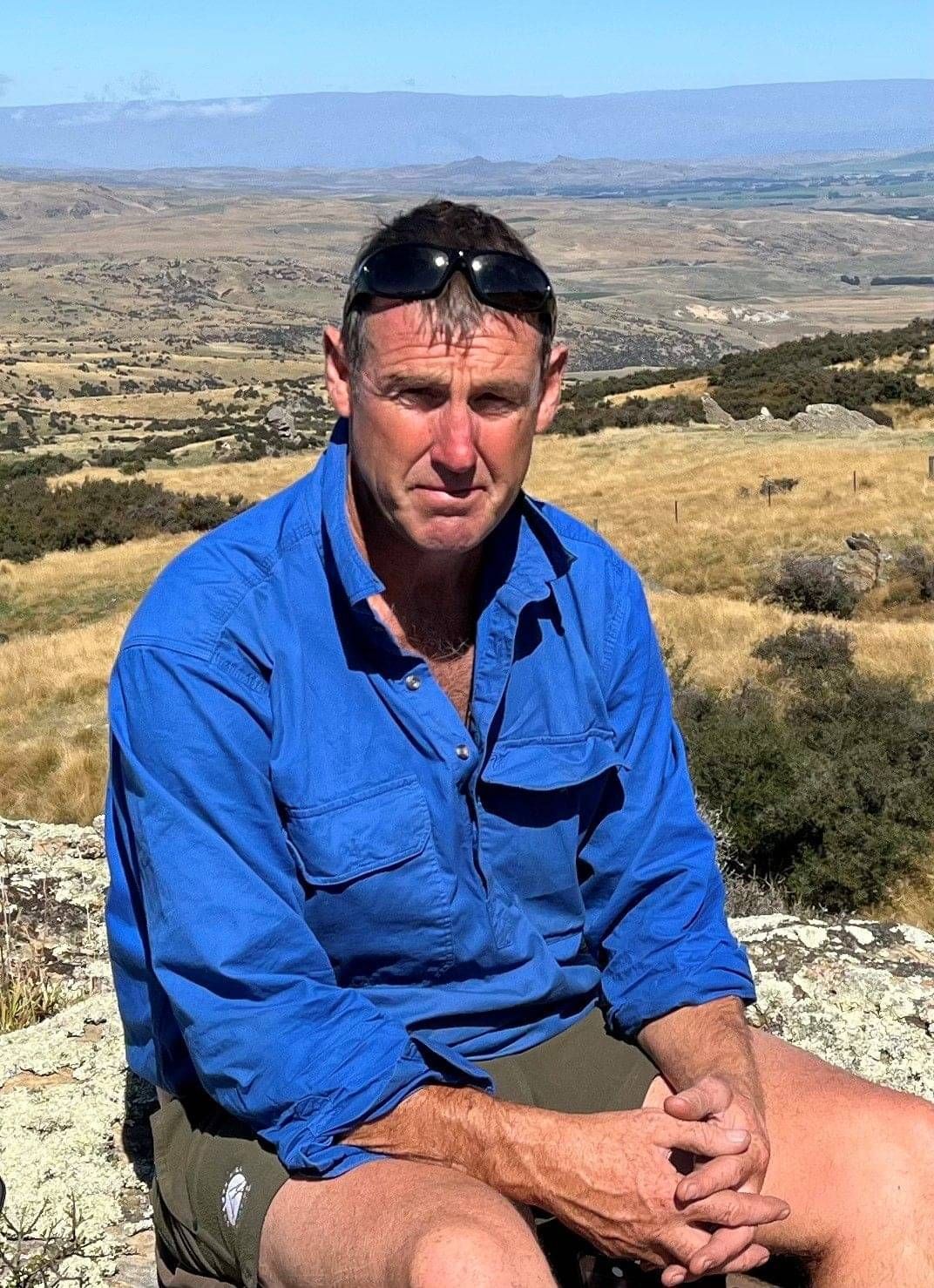
The Manuherekia Valley holds special appeal to Philip Smith and his wife Janet. They are the fourth generation to work on Janet’s family sheep and beef farm on Blackstone Hill at Becks in the valley.
Cairnhill Farm is an 1800-hectare (ha) property that includes dry hill country, rolling downs, and 240-odd hectares of irrigated land including K-Line irrigation and pivot irrigators. Cairnhill has shareholdings in Blackstone Hill Irrigation Company, Omakau Area Irrigation Company, and private rights from the Becks Creek, Dunstan Creek, and an unnamed tributary on Blackstone Hill.
Phil has been with the Manuherekia Catchment Group since its formation and is also involved in the Dunstan Water Users Group, Board Chair of Omakau Area Irrigation, and a director on Falls Dam Company, Manuherikia River Ltd and Blackstone Hill Irrigation.
Environmental sustainability and water quality is a focus for Phil and his family. They have fenced off stock from waterways, ensure farming practices are not intensive, and are working to improve biodiversity on farm.
Cairnhill recently received a Gold Standard from the New Zealand Farm Assurance Plus Programme.The audit programme assesses integrity, traceability, animal health and welfare, people, farm and natural resources and biosecurity.
“Being part of the Manuherekia Catchment Group has broadened my perspective on how people farm and also the public perception of environmental sustainability.”
“We’re caretakers of the land.”
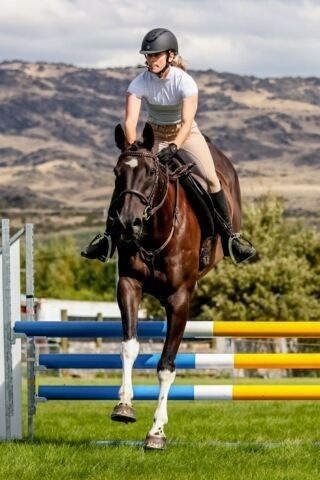
Josie Handley
Originally from the UK, Josie Handley moved to New Zealand in 2014 in search of a rural lifestyle that aligned with her love for the outdoors. With a professional background in viticulture, horticulture, and tertiary education, she now manages the Manuherikia Irrigation Co-operative Society, overseeing water supply for a range of irrigation needs across the Chatto Creek area through to Alexandra township region.
Josie joined the Manuherekia Catchment Group out of a deep interest in understanding and contributing to the future of the river and its sustainability. Her passion was sparked by the wealth of knowledge shared by fellow members, and she continues to learn and grow through her involvement. Known for her organisational skills, Josie brings a logical brain and a strength in communication to the committee table.
Outside of work, Josie enjoys horse riding and caring for the land she calls home in Alexandra. She is guided by the belief that “sustainable progress meets the needs of the present, without compromising the ability of the future.”
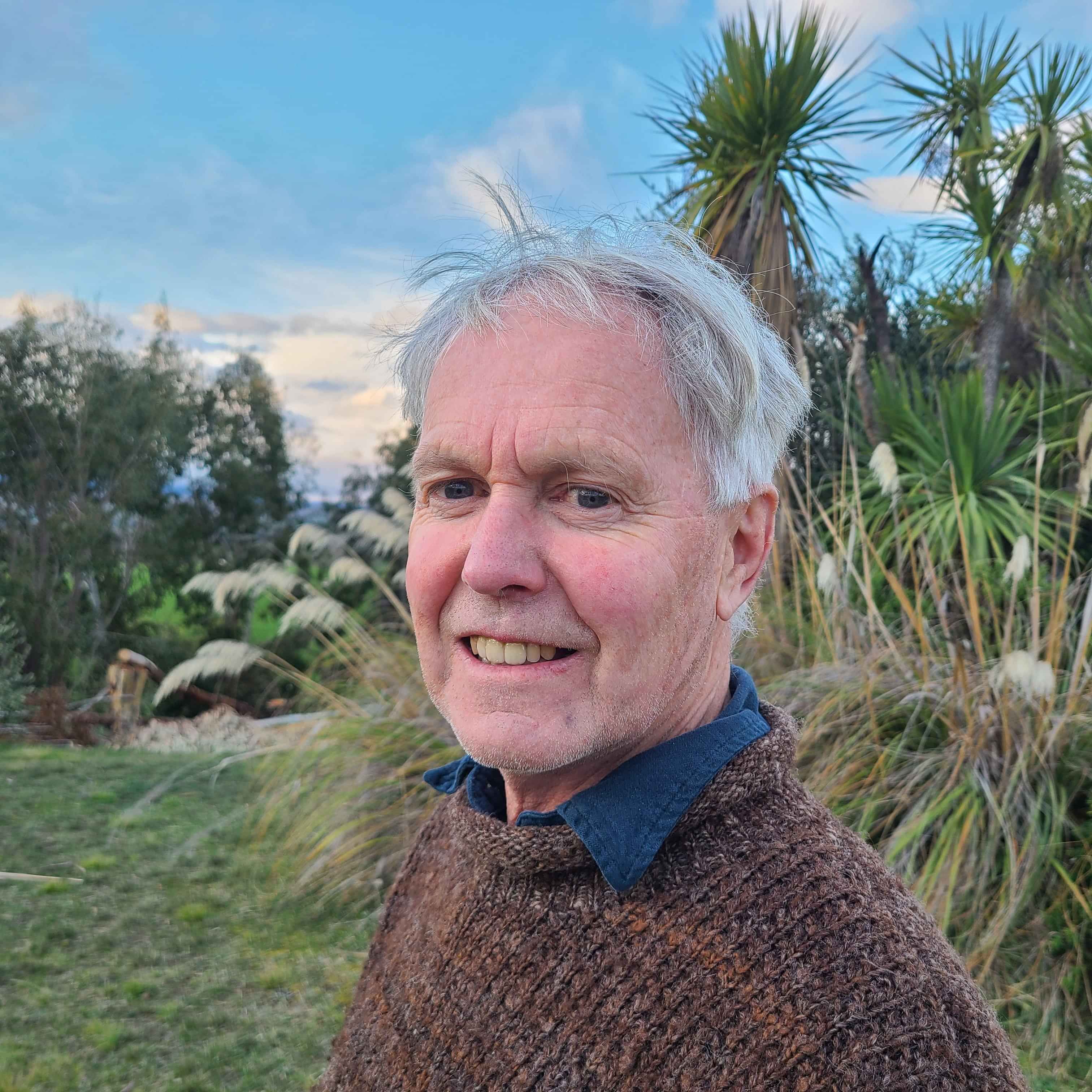
Mike Kelly
Mike Kelly has long been a proponent of water conservation and was a core committee member of the Manuherekia Catchment Group from the outset.
“Getting everyone in the community and catchment on board is a key focus of the Manuherekia Catchment Group and providing education about the value of water and irrigation conservation.”
Based in Galloway, Mike and his wife own a 10-hectare block where they farm sheep, and have a 1ha walnut orchard. The couple have implemented several sustainable initiatives on their farm including switching to spray irrigation to use less water and reduce run off. They are also planting native trees and shrubs to improve the biodiversity in the area.
The Kelly’s farm includes 6ha of irrigated land with water sourced from the Manuherika River via the Galloway Irrigation Scheme.
It was Mike’s interest in irrigation, the river and environmental protection that led Mike to join the Otago Resource Water Resource Users Group Strategy Group, the precursor to the Manuherekia Catchment Group.
Mike brings a wealth of science and planning knowledge to the group, holding a Bachelor of Science in Geology and Master of Applied Science in Planning and Climatology, and having worked for years as a Planning Consultant for WSP Ltd in Alexandra. His role at WSP saw him working with landowners to source water permits for all purposes including irrigation and there are considerable crossovers with the work he undertook at WSP and that of the Manuherekia Catchment Group.
In addition to being part of the Manuherekia Catchment Group, Mike is secretary/treasurer for the Galloway Irrigation Society, which has a vested interest in the Manuherekia Mainsteam sub-catchment.
“Balancing flows benefits not only farmers but the whole community, ensuring there is water for the towns, for recreational use, and for farming.”
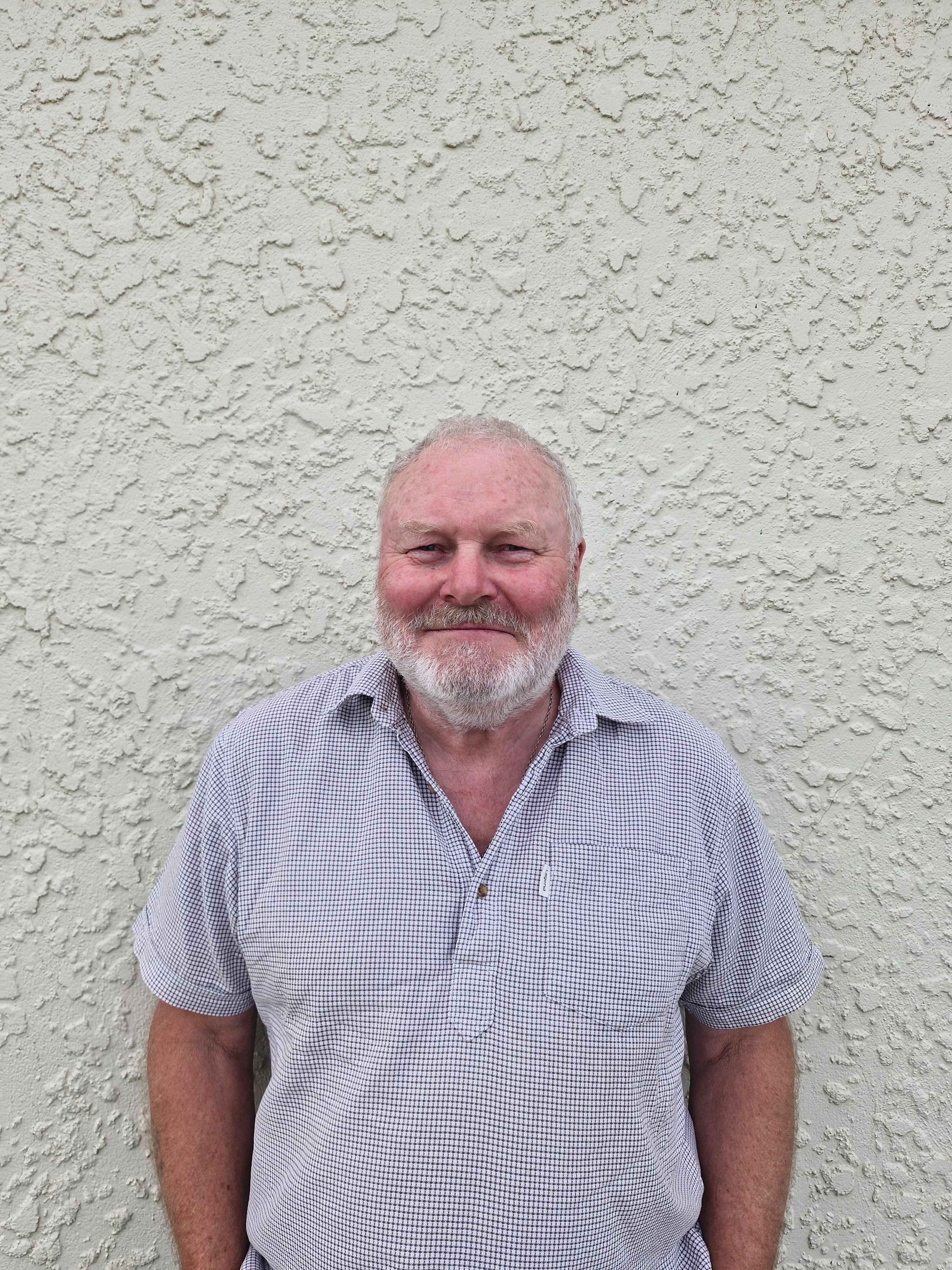
Stew Craig
Stew was born and raised on his family’s hill country farm on the Old Man Range, and farming has been in his DNA ever since. After tertiary education, his career took him through a series of rural and agri-chemical roles in New Zealand and Australia, including senior management positions with international companies. Eventually, Stew branched out on his own, building a business that continues to serve independent rural merchants across the country.
Alongside his professional career, Stew and his family have farmed several properties in Central Otago, keeping him closely connected to the land and local community. For more than 25 years, he has also been Chairman of the Manuherikia Irrigation Co-Op Society, which naturally led to his involvement with the Manuherekia Catchment Group. Currently serving as Treasurer, he is committed to fair and sustainable water allocation across all stakeholders.
Stew is interested in sustainable resource management, innovative farming practices, and supporting farming families who strive for both productivity and environmental stewardship. Guided by his philosophy—“It is not who is right, it is what is right”—he sees the Catchment Group’s work as vital in ensuring the Manuherikia remains a thriving resource for generations to come.
Harriet Jopp
Bio coming soon! Check back later to hear more about our amazing committee members.
Russell Nevill
Bio coming soon! Check back later to hear more about our amazing committee members.
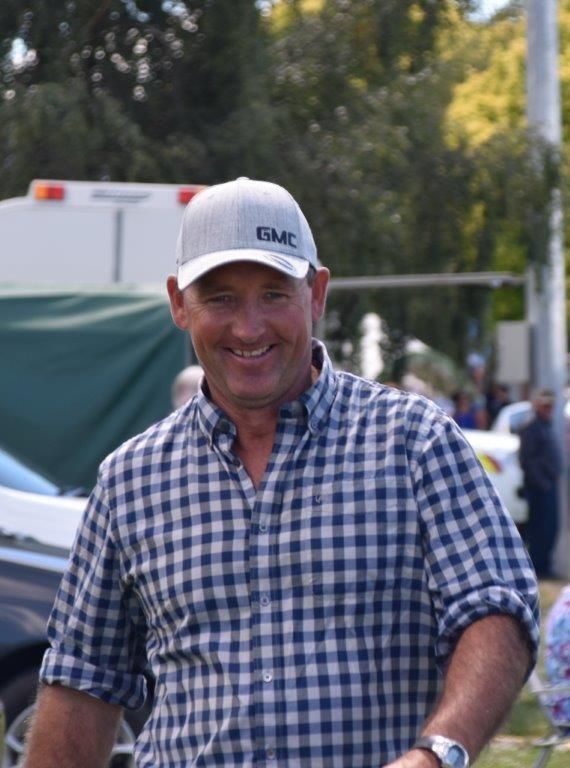
Bevan McKnight
Bevan McKnight is a farmer from Central Otago who has been quietly involved in New Zealand’s merino wool industry for many years. Together with his wife Tiff, they own and farm Merino Ridges in the Ida Valley, a high-country property where they focus on breeding and finishing merino sheep.
Drawing on his time managing a large mixed farming operation in Victoria, Australia, Bevan has brought valuable experience back to his family farm in Central Otago. He is always looking for ways to improve how things are done and has taken part in a number of on-farm trials and demonstration projects to help make the business more productive and sustainable.
Bevan does his best to stay connected with others in the merino sector and has been involved in industry projects, as well as working with global brands and supply chains that value high-quality New Zealand wool. He cares deeply about producing good fibre and supporting a strong future for the fine wool industry, particularly through partnerships that focus on quality and certainty for farmers.
In addition to his work on the farm, Bevan has spent time helping out with community and charitable efforts. At the heart of his approach is a belief in careful land stewardship. He feels it’s important for farmers to look after the land and leave it better for those who come after, and this idea guides both his farming and his involvement in environmental projects.
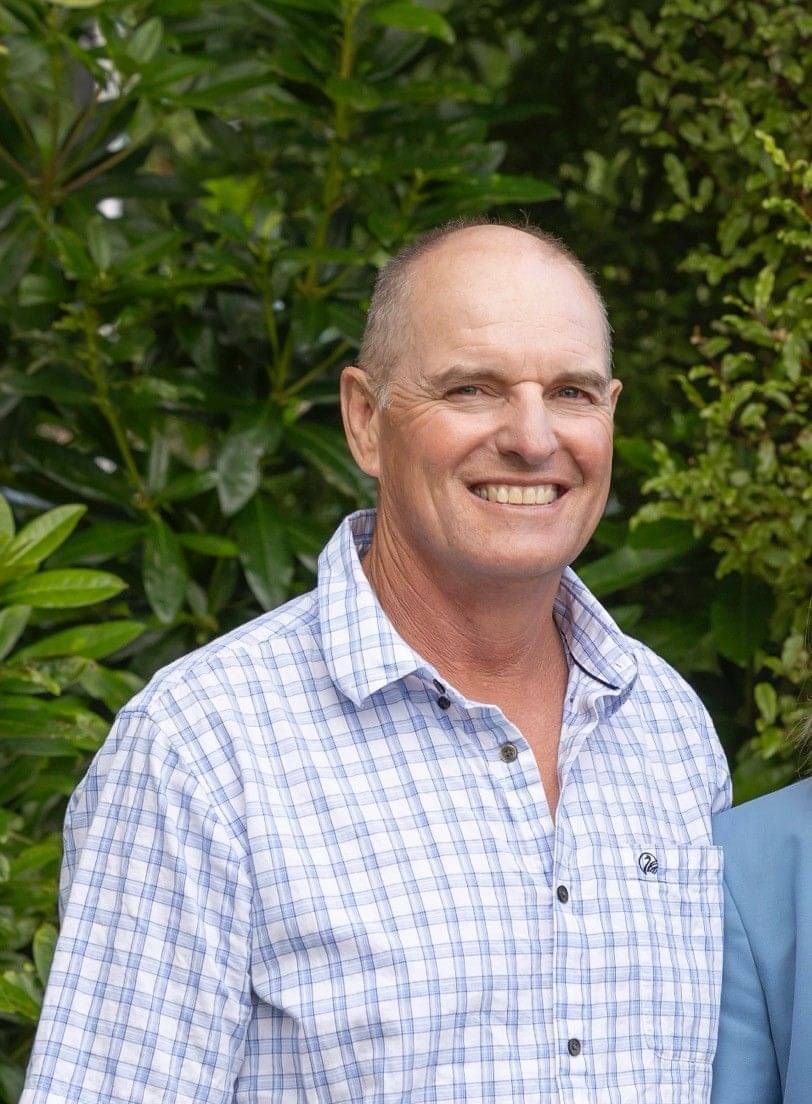
Phil Dowling
Phil is a fifth-generation farmer, owning a 1030-hectare farm in the Maniototo with his wife, Jo. They run a mix of sheep, beef, and dairy grazing, supported by 180 hectares of spray irrigation and 50 hectares of contour irrigation. As Chairman of the Hawkdun Idaburn Irrigation Company (HIIC), Phil is deeply involved in ensuring irrigation water security in the region.
Passionate about preserving the Manuherikia River and promoting sustainable farming practices, Phil serves as a committee member of the Manuherekia Catchment Group (MCG). He believes in working with like-minded individuals to bring forward practical solutions, advocating for sustainable agriculture that aligns with environmental protection. With a keen interest in the future of irrigation security and its role in economic stability, Phil aims to foster collaboration for a balanced approach to farming and river conservation.
Phil’s dedication to his community is reflected in his belief that effective progress in agriculture and environmental advocacy comes through cooperation and open dialogue. His approach focuses on bridging gaps between farmers and the public, ensuring that the efforts of local farmers are recognised and understood.
Paul Jacobson
Paul Jacobson brings a strong infrastructure and environmental engineering background to the Manuherekia Catchment Group committee. With a postgraduate degree in civil engineering from the University of Canterbury, Paul has worked across major infrastructure and environmental projects including dams, rivers, stopbanks, bridges, roads, and nature-based solutions such as wetlands.
Raised on an orchard at Millers Flat, Paul has seen first-hand how water security underpins both livelihoods and communities. He is now an organic vineyard owner within the Manuherekia irrigation scheme and is passionate about ensuring water is used responsibly so future generations can continue to swim in, enjoy, and depend on the river.
On the committee, Paul has a particular interest in catchment hydrology and exploring ways to store water within the catchment while improving surface and groundwater quality. He is a strong advocate for organic and regenerative farming practices that build soil carbon, biodiversity, and moisture retention without compromising water quality.
Paul’s vision is a genuine win-win for the Manuherekia – a resilient local economy supported by enough water, alongside a healthier river system for generations to come.
Sign up to The Manuherekia Voice, our collective newsletter covering all the latest updates across the catchment.
Our newsletters are your backstage passes to the latest in community highlights and sustainable farming. Read, share and invite others to sign up.